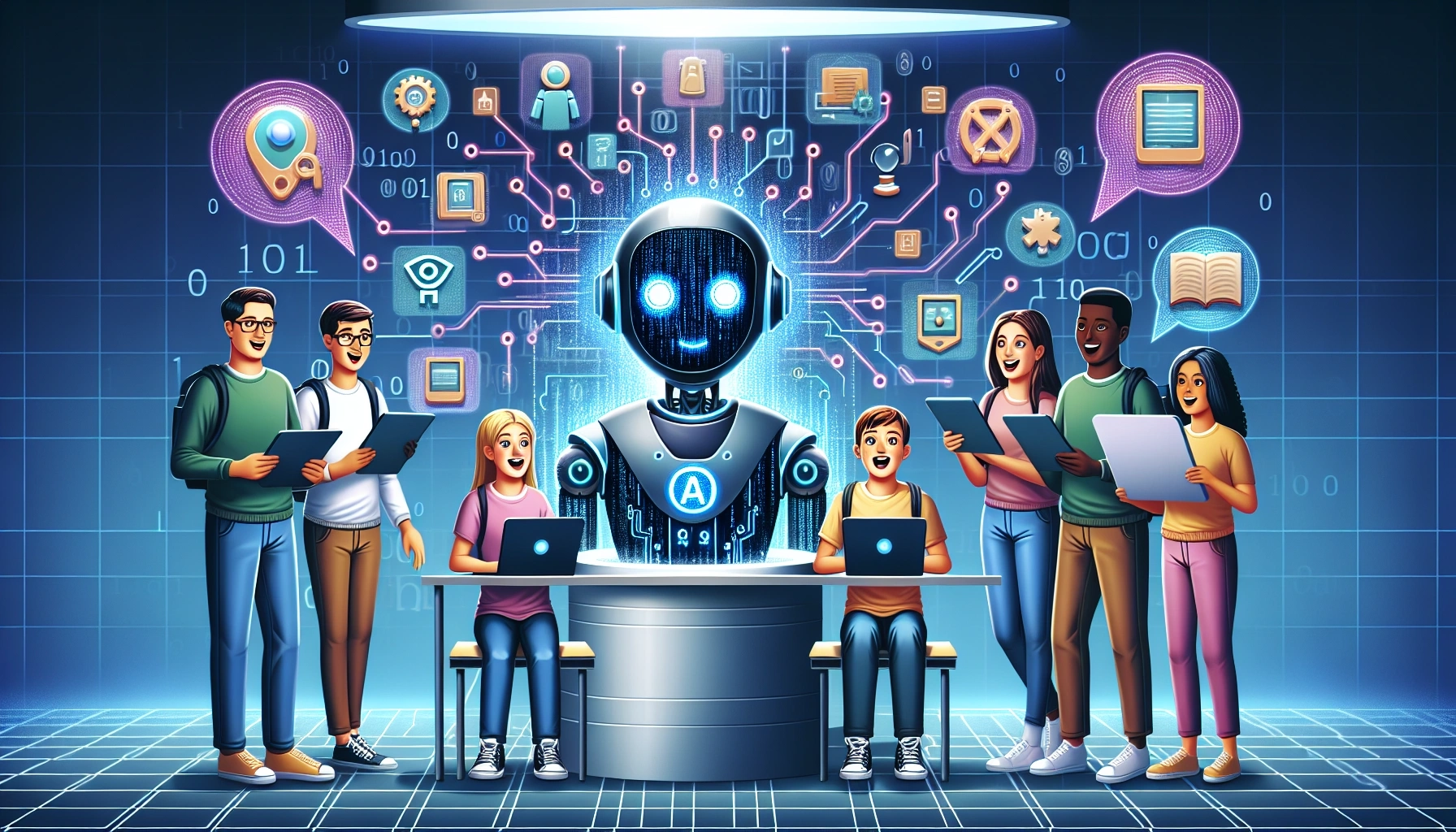
Understanding Exam Answer AI in 2026
Exam Answer AI refers to advanced tools that help students generate, refine, and review answers for tests, homework, and assessments. In 2026, these systems combine large language models, educational datasets, and classroom-focused features such as rubric alignment, plagiarism detection, and citation support. They no longer just “write an answer”; they guide learners through reasoning steps, flag misconceptions, and provide feedback similar to a skilled tutor. Educators benefit from time-saving grading assistants, automated question generation, and analytics on student performance and common errors across cohorts.
Key Features to Look For in 2026
The best Exam Answer AI platforms share several core capabilities. First, they support structured responses for short-answer, essay, and problem-solving formats across multiple subjects, including STEM, humanities, and social sciences. Second, they offer explainable reasoning: students can view step-by-step logic, alternative solutions, or breakdowns of complex problems. Third, they integrate academic integrity safeguards such as originality reports, reference validation, and usage analytics that help teachers distinguish AI-assisted learning from pure copy-paste cheating. Fourth, they allow for curriculum alignment so educators can map content to standards, learning objectives, or institutional rubrics.
Benefits for Students
Students use Exam Answer AI primarily to improve clarity, depth, and structure of their responses. Instead of giving final answers alone, modern tools provide scaffolded hints, model responses at different grade levels, and suggestions to strengthen arguments or explanations. Learners can submit draft answers, receive immediate formative feedback, and iterate before final submission. This on-demand, personalized coaching is especially helpful for exam preparation, since students can simulate timed conditions, practice past-paper style questions, and receive instant grading approximations. Multilingual support lets non-native speakers refine grammar and academic style while still developing their own ideas.
Benefits for Educators
For educators, Exam Answer AI serves as a powerful assistant rather than a replacement. Automated grading suggestions for short-answer and essay questions accelerate marking while preserving human oversight. Teachers can generate multiple versions of exam items, create differentiated question sets, or instantly produce model marking schemes aligned to their rubrics. Analytics dashboards visualize patterns such as frequently missed concepts, weak argument structures, or common misconceptions, helping instructors adjust teaching or provide targeted interventions. These systems also support accessibility by creating simplified explanations, scaffolded hints, and alternative formats tailored to diverse learner needs.
Top Exam Answer AI Platforms in 2026
Several platforms dominate the 2026 landscape for exam-focused AI. General-purpose educational AI assistants are embedded in learning management systems and widely used across institutions. Specialized exam-prep platforms focus on standardized tests, providing adaptive practice questions, answer explanation engines, and performance prediction analytics. Subject-specific tools excel in domains like mathematics, coding, or scientific writing, where precise logic and formal notation are required. When selecting a platform, institutions typically evaluate data privacy compliance, integration with existing LMS tools, and the maturity of features such as rubric-based grading, classroom management, and audit logs.
AI for Essay and Long-Form Exam Answers
Essay-focused Exam Answer AI helps students plan, structure, and refine written responses under exam conditions. Planning tools generate outlines from prompts, highlight required components like thesis statements and counterarguments, and suggest evidence types appropriate to the subject. Draft-improvement features check coherence, logical flow, and referencing style while preserving the student’s voice. For educators, essay AI offers rubric-aligned comment banks, automatic highlighting of weak argumentation, and side-by-side comparisons of drafts over time. In 2026, leading tools also detect superficial AI-generated fluff, encouraging concise, evidence-based writing aligned with academic standards.
AI for STEM and Quantitative Exams
In STEM subjects, Exam Answer AI excels when it shows all intermediate steps and offers multiple solution pathways. Math and physics tools deconstruct problems, explain underlying principles, and generate alternative representations such as graphs or diagrams. Coding exam assistants simulate program execution, point out logic errors, and provide hints without revealing full solutions immediately. Educators use these systems to auto-generate isomorphic problems, randomize parameters for unique student versions, and quickly verify answer keys. Advanced platforms include symbolic reasoning engines that validate the mathematical correctness of solutions, not just the final numeric result.
Ethical and Academic Integrity Considerations
By 2026, effective use of Exam Answer AI depends heavily on clear policies and transparent practices. Institutions typically distinguish between allowed uses—draft feedback, practice questions, explanation of concepts—and disallowed uses such as submitting AI-written answers as original work. Leading platforms embed integrity features including usage logs, originality checks, and instructor dashboards that surface suspicious patterns. Ethical design emphasizes human oversight, with explicit prompts reminding students to verify facts, cite sources, and reflect on the reasoning rather than blindly trusting AI output. Training on responsible use becomes a standard part of digital literacy curricula.
Evaluating and Implementing Exam Answer AI
When adopting Exam Answer AI, schools and universities pilot tools with small groups, gathering data on accuracy, student satisfaction, and alignment with learning outcomes. Key evaluation criteria include subject coverage, quality of explanations, robustness against hallucinations, and support for accessibility needs. Effective rollout includes professional development for educators, clear guidelines for students, and integration into existing assessment strategies. Continuous monitoring, feedback loops, and periodic reviews of AI performance ensure that the technology remains a learning enhancer instead of a shortcut that undermines skill development.